-
Onboarding international: An unloved child❓

This is our third post on Onboarding, after looking a call for a targeted approach, and looking the specifics of onboarding leaders, we now talk about onboarding of international assignees. International assignees are a very special case for onboarding. The other side of the coin is though that they in fact in many cases receive…
-
Onboarding managers in leadership functions
In our last post we pointed out the mindset behind the fact that this group of new hires receives little attention. Today we look at why applying a targeted approach for onboarding managers with people responsibility deserves second thoughts. For companies the question is: What is to be gained by making leadership onboarding a case❓…
-
Onboarding = Onboarding ?
a case for a target specific approach. Onboarding in a general job context typically refers to the process of incorporating a new employee into an organization. It involves familiarizing the new hire with the company culture, policies, procedures, and their specific role within the organization. The goal is to help the employee become productive as…
-
Hear all sides or how not to be drawn into conflicts as a leader
For team leaders it is important to be aware that there are as many truths in a conflict as there are people involved. Hear all sides means: take the concerns of each party seriously by way of being on neither side and being on both sides.
-
Conflict resolution in the workplace: how to empower your staff
Empowering team members to work out conflicts among themselves is one of your options to handle conflicts. However, it needs some thoughts …
-
Leadership skills to understand and navigate conflicts
Leadership conflict competencies have been widely discussed in the last years. If you google “leadership conflict management skills” you receive 86’800’000 results. One can choose between “The 6 most important, …. 10 tips for leaders, ……” Sometimes it’s 8 skills, sometimes 18. Each of these trying to describe the most important competencies leaders need to have. Lists…
-
Constructive conflict settlement: the basic equipment for 2024
Constructive conflict resolution is hard work. When we start on this challenging path, we’ll need a set of “basic equipment” to succeed …
-
Conflict resolution in the workplace: a “one size fits all”?
The first and most important leadership conflict management skill is to be willing to handle conflicts. To adopt that attitude is an important step towards leadership conflict competency. Being willing is more than accepting the necessity to handle conflictual situations in your team or with your peers. It means to develop the appropriate mindset. And…
-
Why conflict management is more than active listening
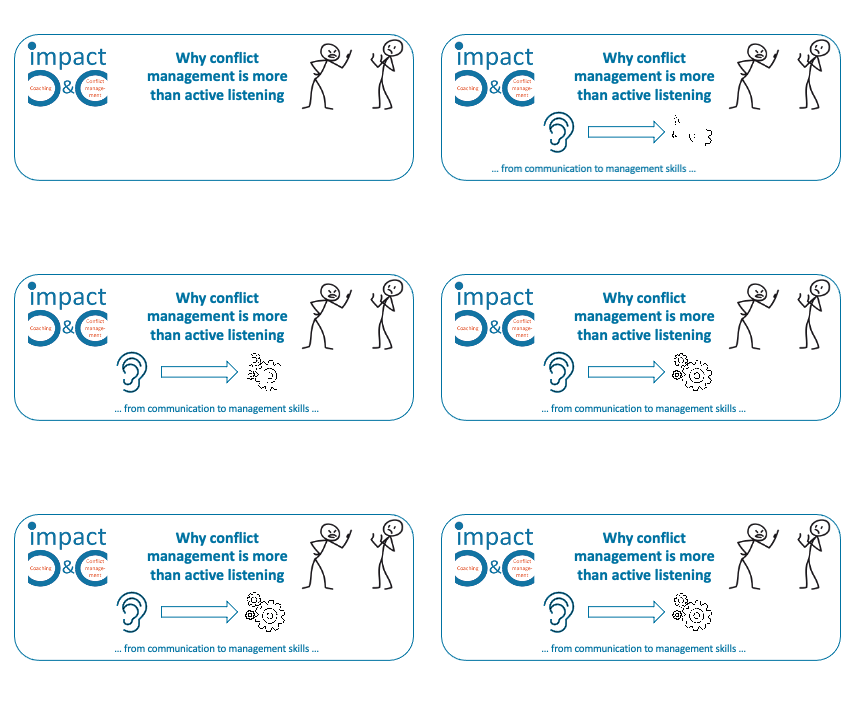
managing conflicts as a leader not only takes communication skills, but the ability to work both on the system and within the system.
-
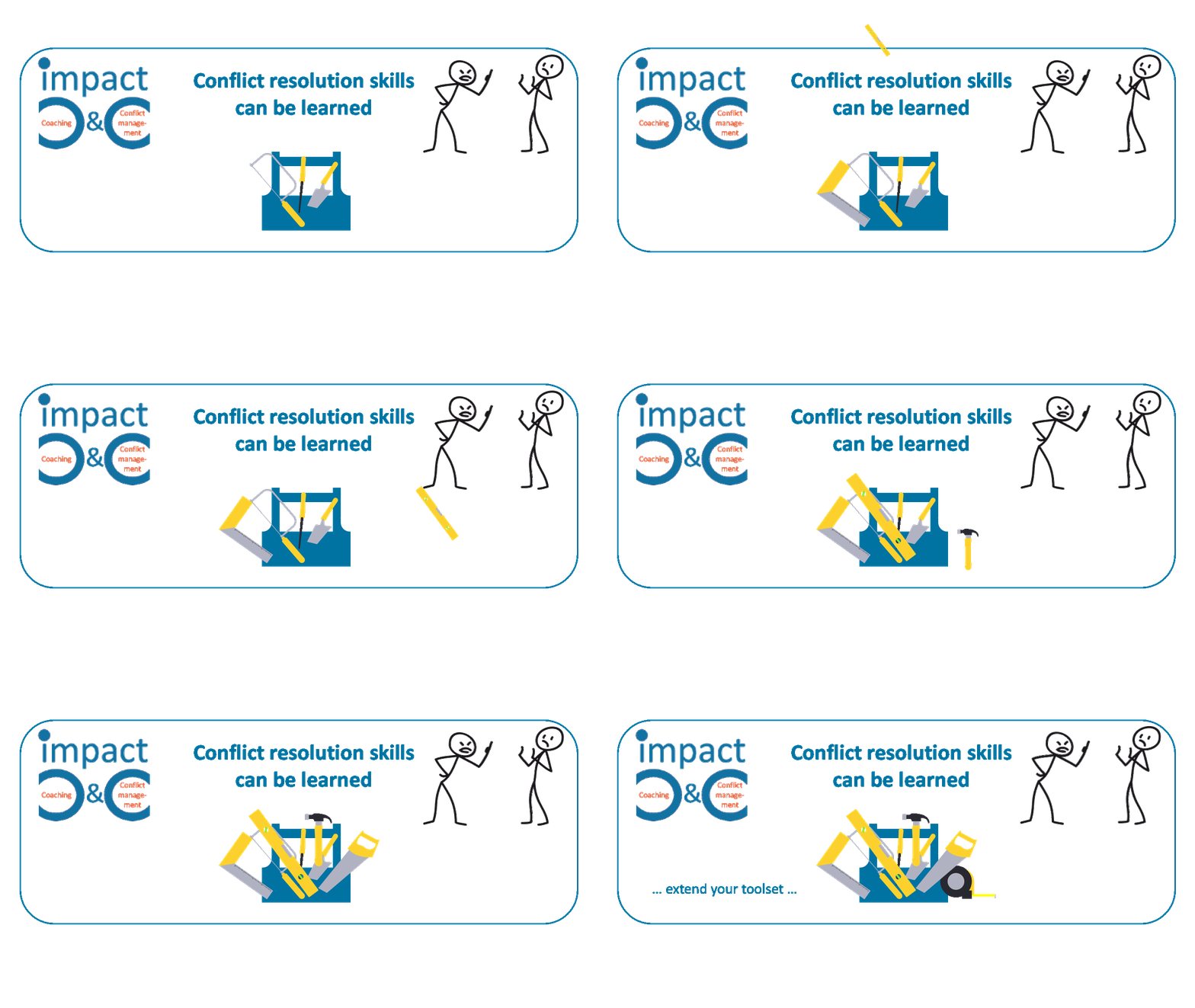
Conflict resolution skills can be learned
In our work with leaders in conflict management trainings the participants tell us different reasons why dealing with conflicts within their sphere of responsibility is difficult. With this attitude in mind you might find trying out new ways is not an arduous personal upheaval but can be treated with light-footed curiosity. read also: